
Ikarie XB-1 (1963): The Czechoslovak Starship Film That Came Before 2001
A beacon of early cinematic deep-space exploration, the 1963 Czechoslovak film Ikarie XB-1 offered a vision of interstellar travel years before many Western audiences saw its true potential. This film's thoughtful approach to the human condition amidst the void remains as compelling today as it was in the Cold War era.
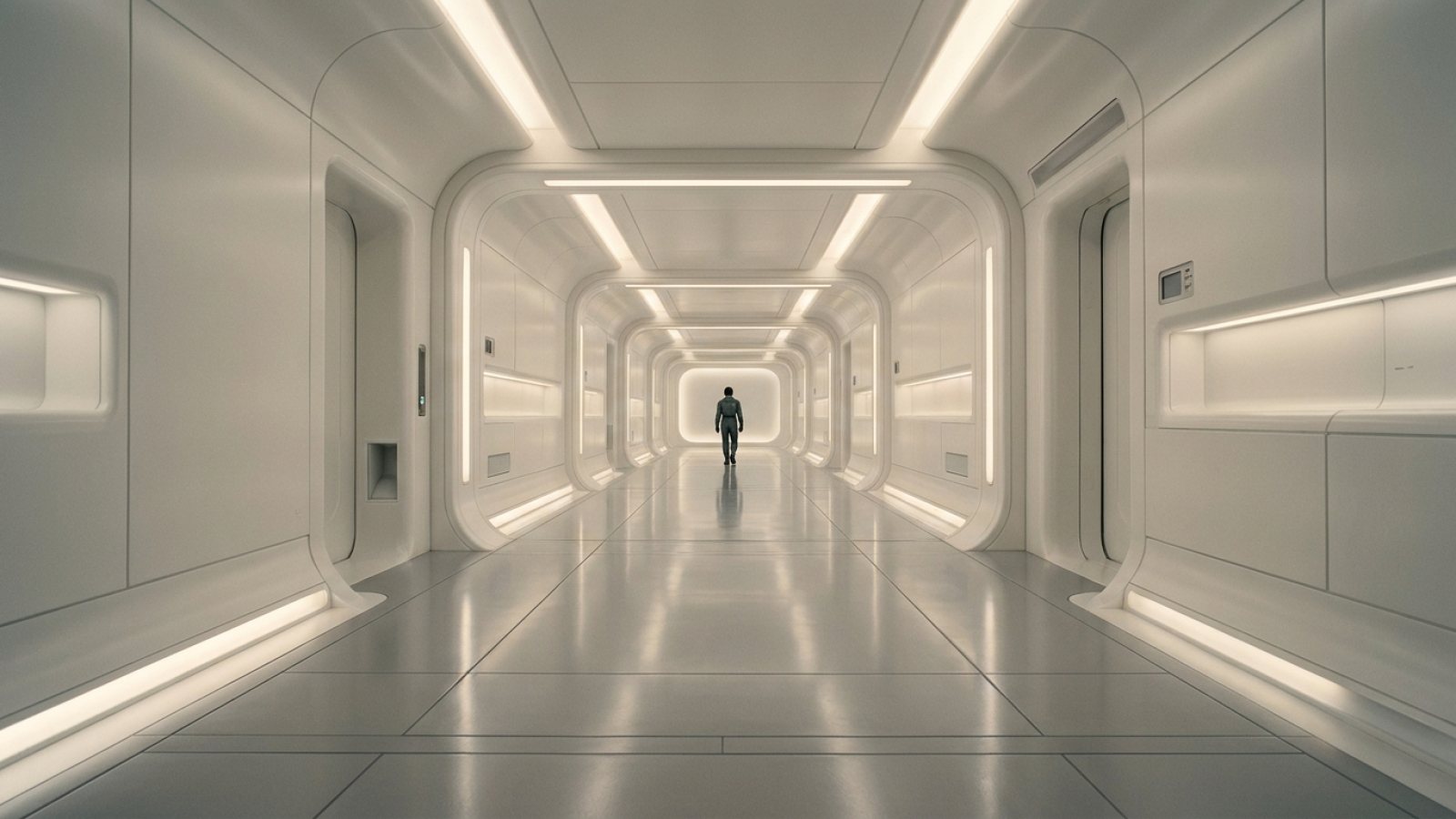
The sleek, pristine white corridors of the starship Ikarie XB-1 hum with a quiet, almost unsettling efficiency. This isn't the bustling bridge of a later, more famous vessel, but the interior of a deep-space craft launched in the year 2163 – or rather, presented to audiences in 1963, a full five years before Stanley Kubrick's 2001: A Space Odyssey redefined cinematic space travel. Directed by Jindřich Polák and based on Stanisław Lem's 1955 novel The Magellanic Cloud, Ikarie XB-1 emerged from Czechoslovakia as a remarkably prescient and sophisticated piece of science fiction cinema.
A Vision from Beyond the Iron Curtain
When Ikarie XB-1 first graced screens, the world was gripped by the Space Race, yet cinematic portrayals of interstellar voyages often veered between B-movie monsters and earnest, but visually simplistic, futurism. Polák's film, by contrast, offered a journey not just across light-years, but into the psychological and philosophical challenges of prolonged isolation among the stars. The crew of the Ikarie, on a mission to a mysterious 'White Planet' in the Alpha Centauri system, navigates social tensions, unexpected technological failures, and the profound existential weight of their mission. This was a space film less interested in laser blasts and more in the human condition, a tone that felt revolutionary for its time, especially from an Eastern Bloc perspective.
Released internationally, often in heavily edited and dubbed versions such as the American cut titled Voyage to the End of the Universe, the film’s original vision was frequently obscured. These adaptations often emphasized action over introspection, losing much of Polák’s nuanced pacing and the original philosophical depth of Lem's source material. Yet, even in its compromised forms, the film’s visual ingenuity and thematic maturity shone through, carving out a unique space in the nascent genre of serious cinematic science fiction.
The Echoes in Deep Space
Watching Ikarie XB-1 today, it's impossible not to draw parallels to Kubrick's monumental 2001: A Space Odyssey. The striking similarities extend beyond mere coincidence: the contemplative, deliberate pacing; the pristine, minimalist, white-on-white production design of the ship's interiors; the detailed, functional depiction of space travel; and a crew grappling with the monotony and psychological strain of an extended mission. Both films feature a discovery of an alien presence that challenges humanity's understanding of the cosmos, though their conclusions diverge dramatically.
One particularly memorable sequence in Ikarie XB-1 involves the crew discovering a derelict alien vessel, its ghostly, preserved inhabitants frozen in a moment of existential terror. This scene, devoid of dialogue and chillingly effective, exemplifies the film's commitment to evoking cosmic awe and dread through visual storytelling rather than expository dialogue. Such moments not only stand out for their craft but resonate with the sophisticated, almost clinical, approach to the unknown that would later be celebrated in subsequent, more famous works of the genre.
A Mirror for Our Future
Today, with renewed interest in its original, uncut form, Ikarie XB-1 stands as a vital missing link in the evolution of science fiction cinema. Its influence, whether direct or indirect, on the thoughtful, psychologically driven space epics that followed is undeniable. The film’s quiet profundity, its stark depiction of humanity’s isolation in the vastness, and its questions about what we might find – or become – out among the stars, continue to resonate. It offers a vision of the future that is both hopeful and cautionary, where human folly and ingenuity travel together into the great unknown.
Ikarie XB-1 reminds us that the best science fiction transcends national borders and technological limitations, using the fantastical to hold a mirror to our deepest fears and aspirations. Its enduring power lies not just in its historical precedence, but in its ability to still provoke thought, long after its original voyage was completed.
