The future,
as it used to be
Science fiction past, present and future: the landmarks, the cult corners and the stories time forgot, from the atomic-age bloom of the 1950s to the screens and pages of today, looked at again with fresh eyes.

The year the score
went electronic
Monsters from the id, a crew of explorers and a soundtrack made entirely of circuits. The atomic age goes to space.

A story that
did the maths
One small ship, not enough fuel and a stowaway. The short story readers still argue about seventy years on.

A starship
from Prague
Behind the Iron Curtain, a thoughtful starship voyage, years before the big Western space epics.

Martian ghosts
under London
An impossible object under a London street, a very old fear and the British way with science-fiction horror.
01 / 05

Signals through time
ORIGINSMary Shelley publishes Frankenstein; or, The Modern Prometheus, the novel many readers count as the first true work of science fiction.
THE PULPSHugo Gernsback launches Amazing Stories, the first magazine devoted entirely to science fiction. The pulps become the genre’s training ground.
ATOMIC AGEPaperbacks, digests and drive-ins fill up with the future: The Day the Earth Stood Still (1951), Forbidden Planet (1956), Bester’s The Stars My Destination (1956).
- Far future1950s–60sThe Instrumentality of Mankind
Far futureDive into the unique, mythic future history of Cordwainer Smith's Instrumentality of Mankind, exploring its origins in mid-century sci-fi and its enduring resonance today. Read the story →
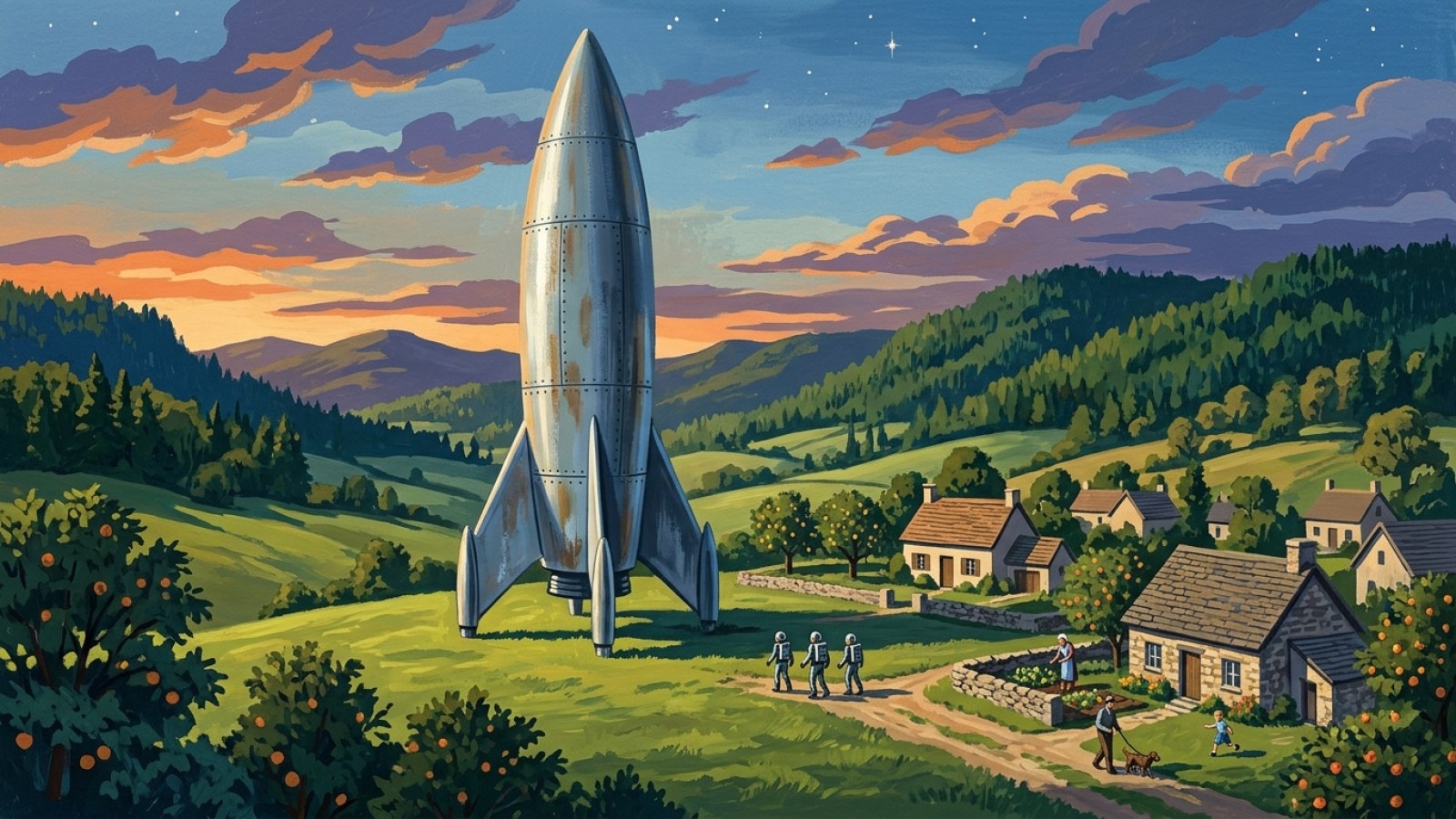 1951…And Then There Were None
AstoundingIn June 1951, a British writer published a story in which a mighty ship from Earth lands on a lost colony and is defeated without a shot being fired. Read the story →
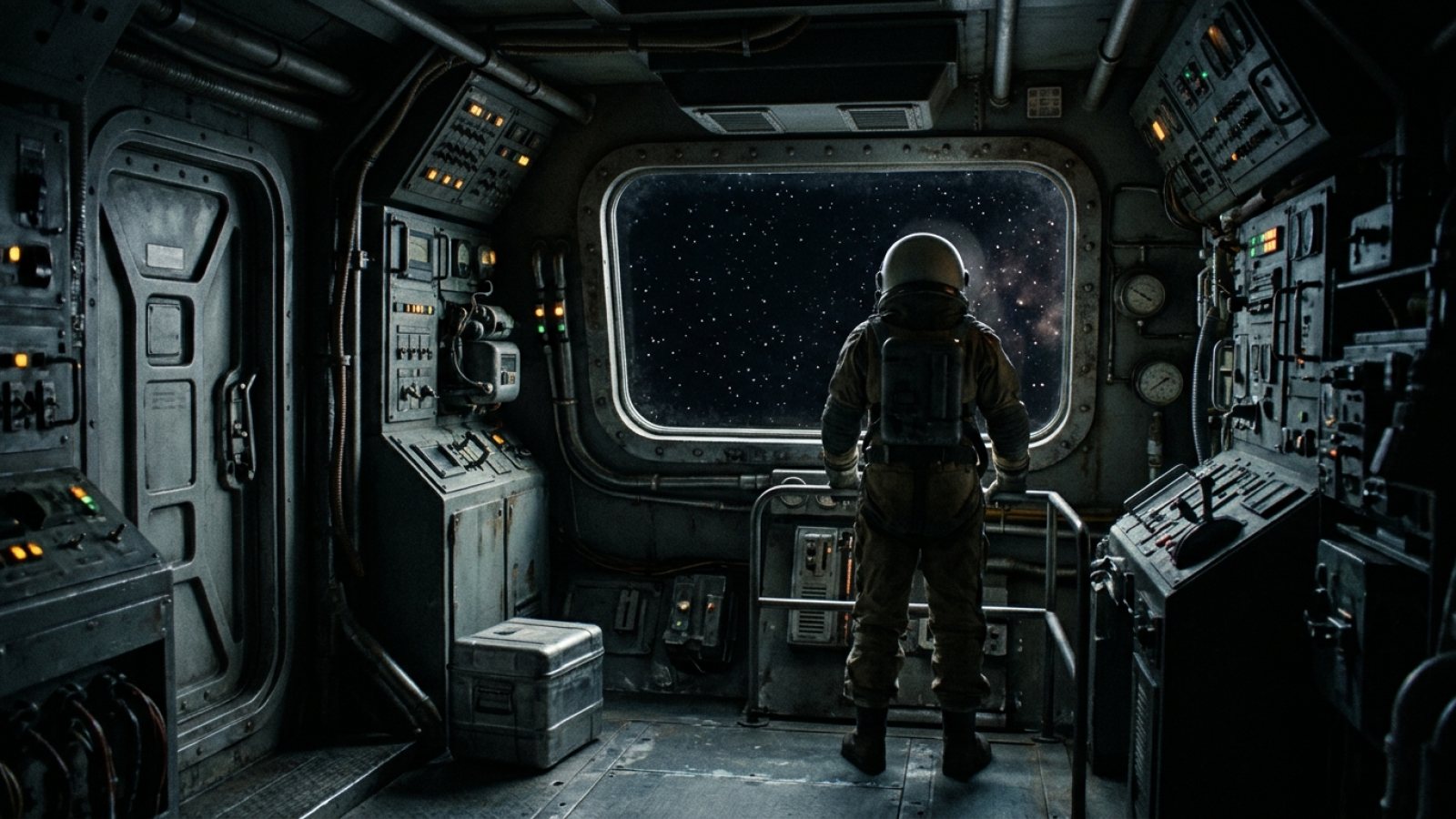 1954The Cold Equations
Short fictionTom Godwin’s 1954 short story, "The Cold Equations," remains one of science fiction’s most potent and contentious works, an elegant and brutal demonstration of hard science principles. Read the story →
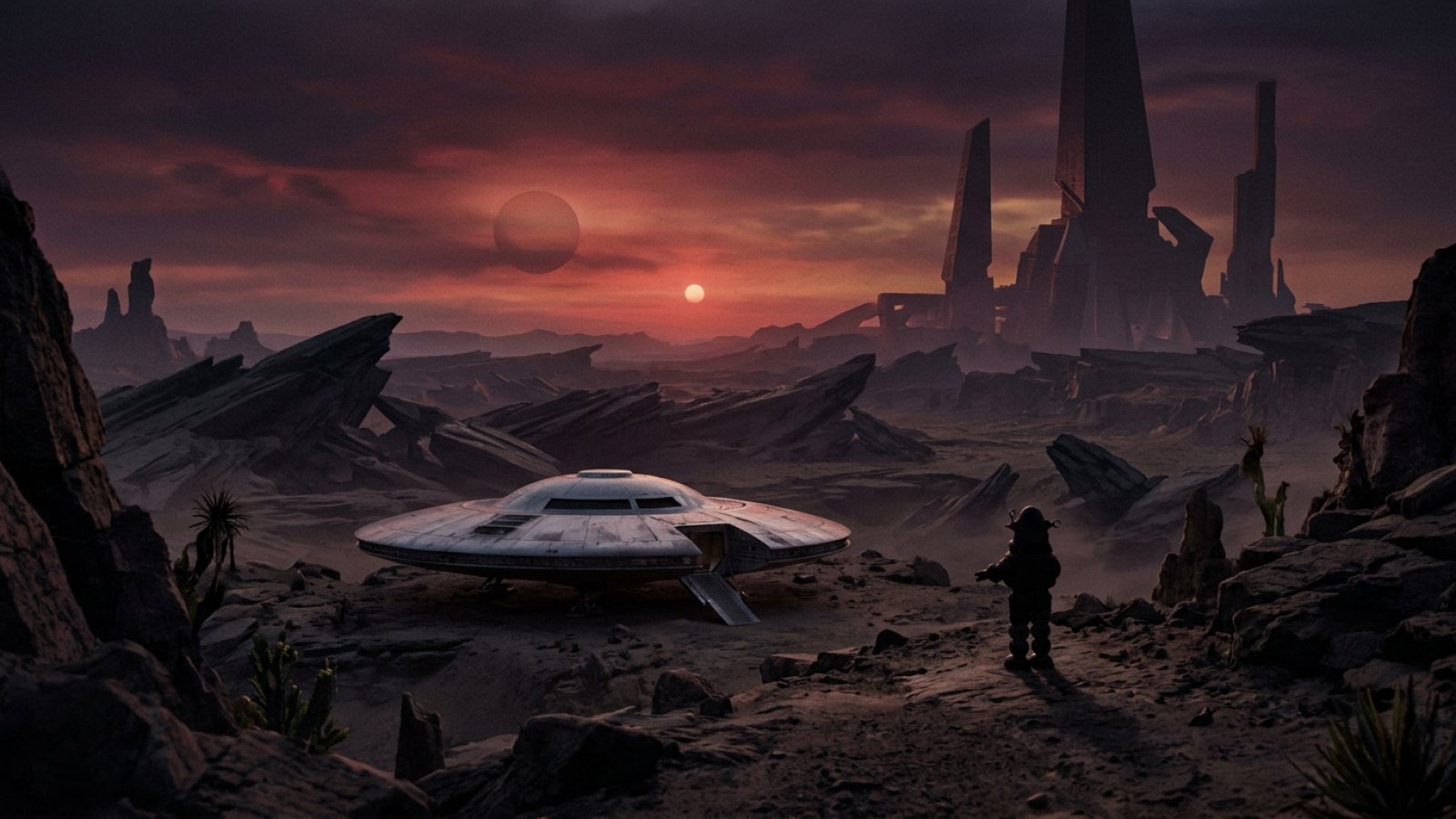 1956Forbidden Planet
CinemaIn 1956, amidst a wave of B-grade creature features, Fred M. Wilcox's Forbidden Planet soared beyond the pulp, offering a sophisticated space opera rooted in Shakespeare and Freudian… Read the story →
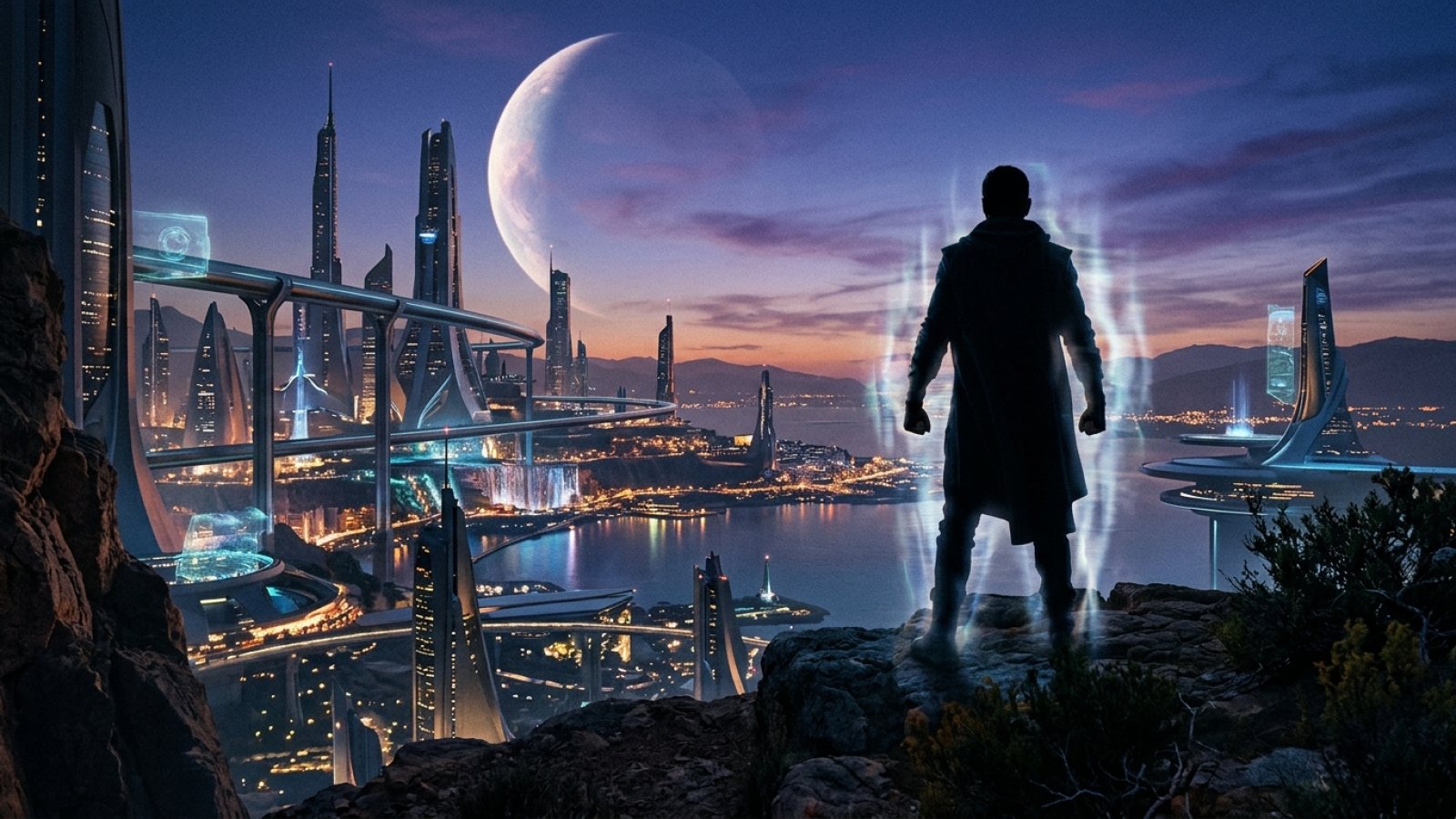 1956The Stars My Destination
The novelAlfred Bester’s 1956 novel rips across the page with the velocity of a teleporter and the fury of a man wronged, setting a benchmark for kinetic science fiction. Read the story →
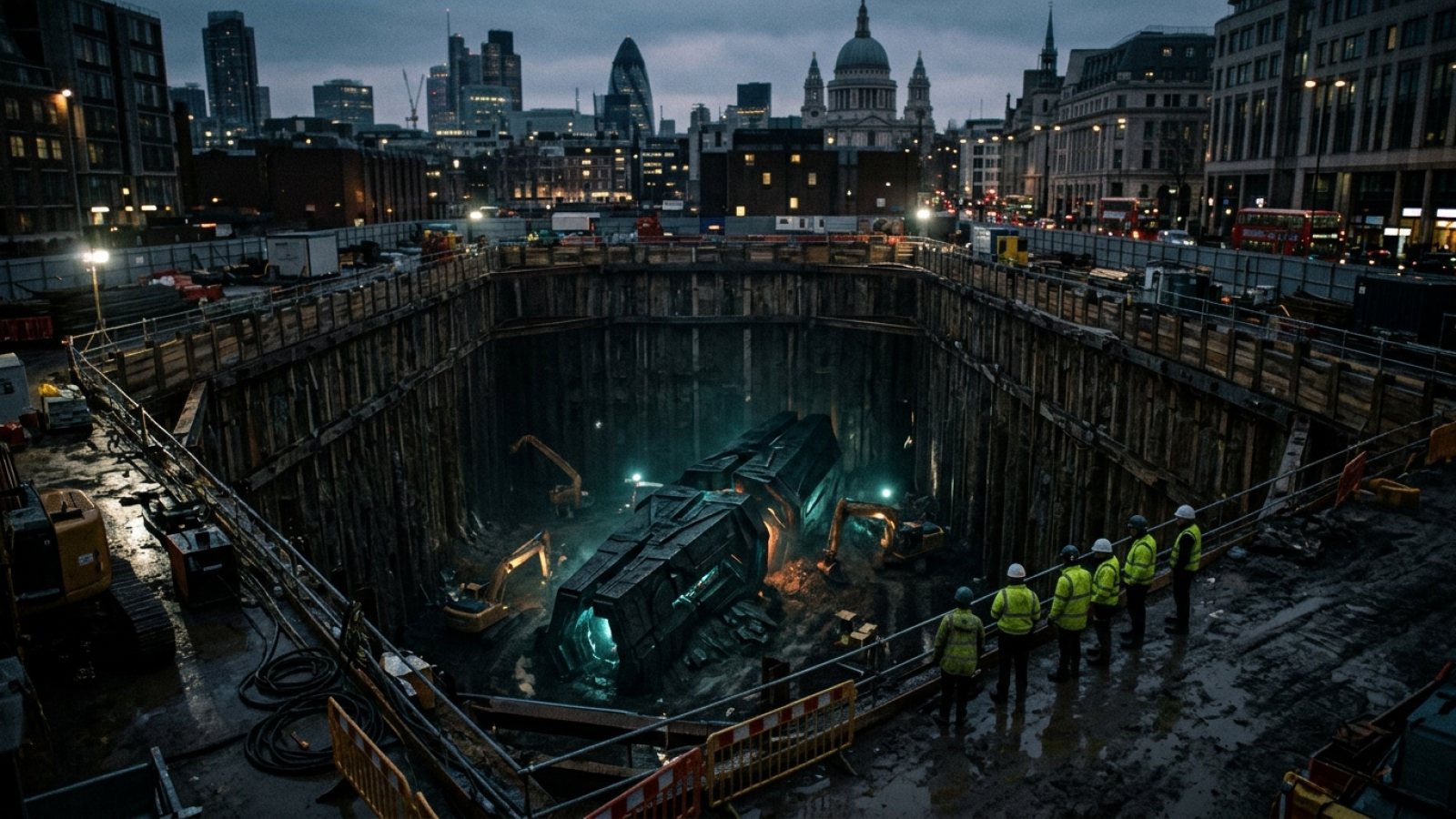 1958–59Quatermass and the Pit
TelevisionWhen London excavators uncover an impossible object beneath Hobbs Lane, humanity's violent prehistory is violently unearthed. Read the story →
NEW WAVEThe Twilight Zone and Star Trek reach the living room, Herbert’s Dune (1965) and Le Guin’s The Left Hand of Darkness (1969) deepen the page, and 2001: A Space Odyssey (1968) remakes the screen.
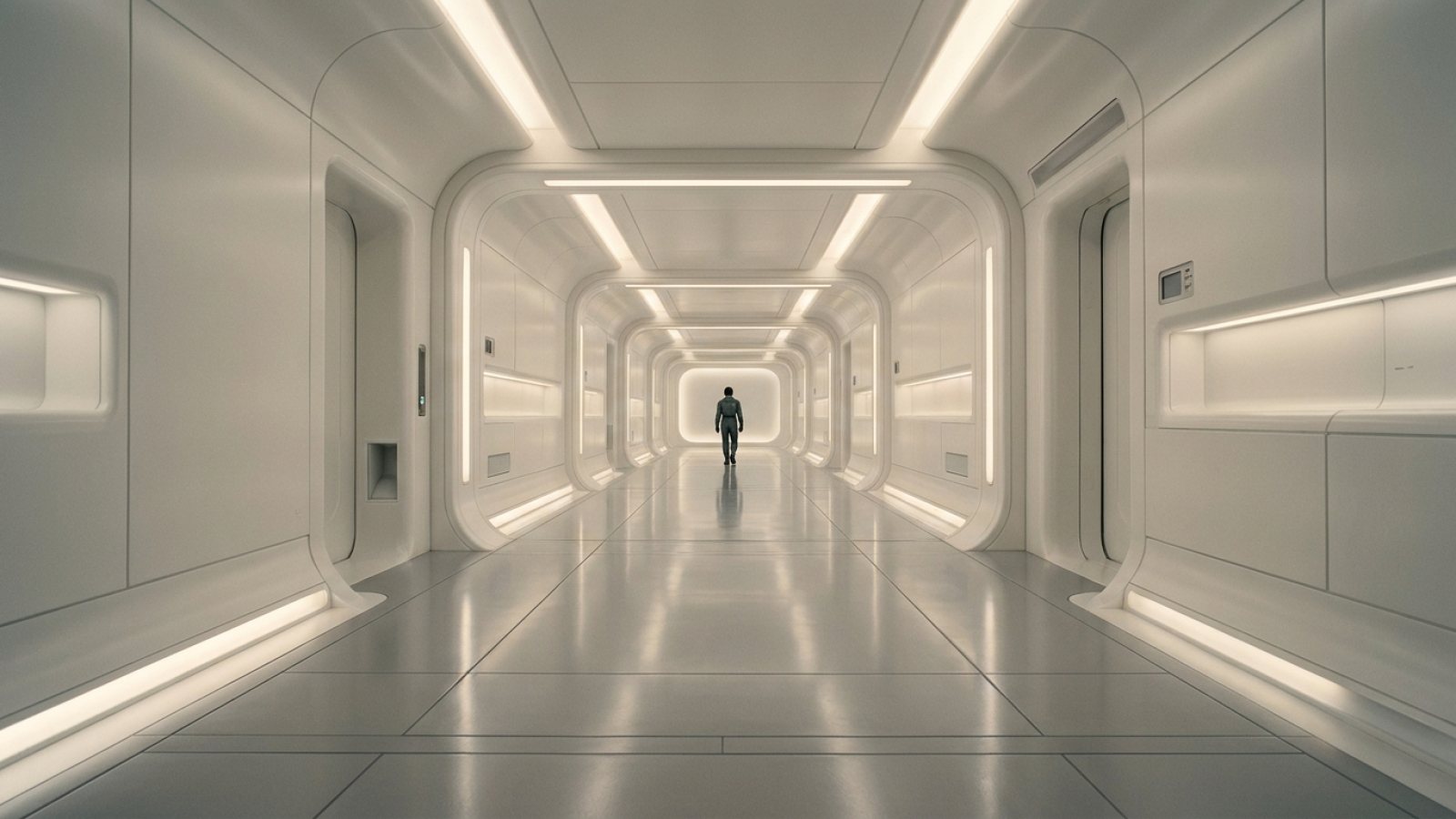 1963Ikarie XB-1
PragueA beacon of early cinematic deep-space exploration, the 1963 Czechoslovak film Ikarie XB-1 offered a vision of interstellar travel years before many Western audiences saw its true… Read the story →
BLOCKBUSTERSStar Wars (1977) and Alien (1979) turn science fiction into the main event at the movies.
CYBERPUNKBlade Runner (1982) and William Gibson’s Neuromancer (1984) move the future down to street level, wired and rain-soaked.
NEXTPrestige series, translated novels and new voices from around the world carry the genre on, and the old stories keep finding new readers. This is where we follow it.
Hover over a picture, or tab through the years, to read about it here. Click to open the story.
The eras
Pulp & Golden Age
Rocket ships on newsprint, and the editors and writers who taught the genre to think.
1950–1964The Atomic Age
Saucers, giant ants and cold-war parables: the decade science fiction bloomed.
1965–1979The New Wave
Inner space, experiment and the turn to the big screen.
1980–TodayCyber to Now
Wired futures, franchise worlds and the stories still being written.

Lost Transmissions
Science fiction’s forgotten frequencies, tuned back in. Each week Hollis and Margo pull one story out of the archive (a paperback, a B-movie, a radio play, a lost TV episode) and ask what it still has to say about the future.
With Hollis and Margo. New episodes every Wednesday.
Recommended